$FF4052 · player one
Daniel Plas Rivera.
I put characters where Capcom never shipped them—and build AI that has to show its work.
Software architect in New York. After hours: 68000 assembly, characters in games they never shipped in, and a fighting-game agent trained on a friend's matches.
Characters Capcom never put here.
New arrivals, old hardware, and every engine assumption that fought back.
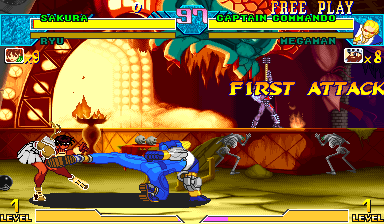
Marvel vs Capcom Had No Room for a 24th Character. I Added Two.
The game had 23 character slots. Dark Sakura and Shuma-Gorath run beyond them, with their own code—and every table past the old limit waiting to break something.
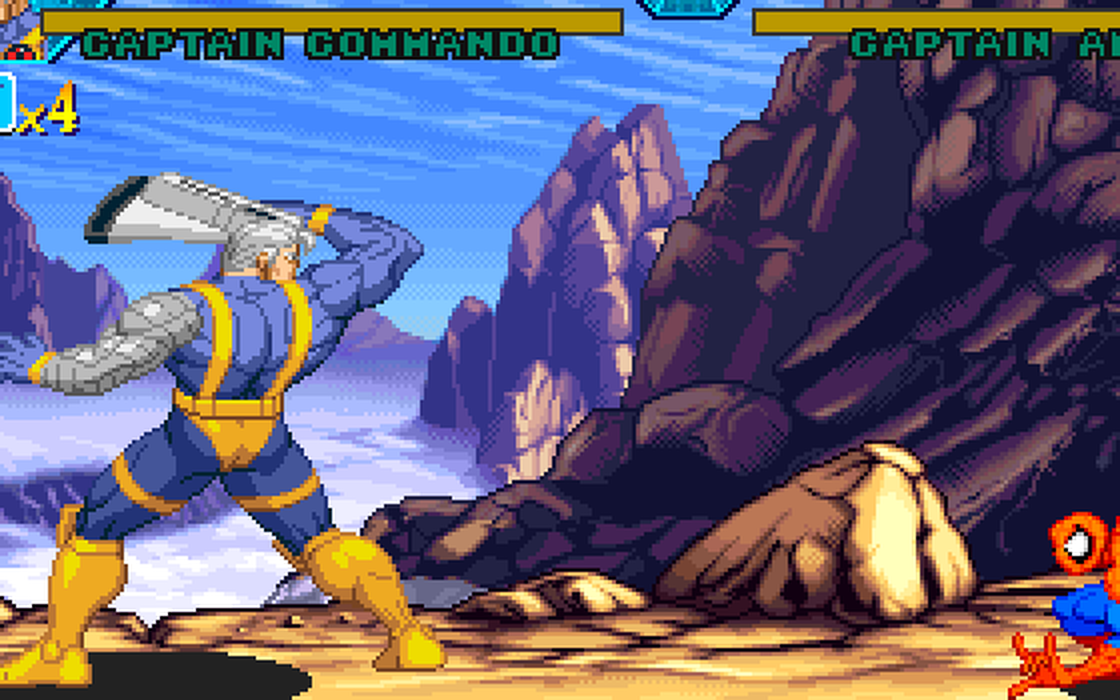
I Wanted Cable Without MvC2. So I Put Him in MvC1.
I wanted Cable with six buttons. His art, four-shot rifle, and imported voice now run in MvC1; his native behavior is still unfinished. The road back from Dreamcast.
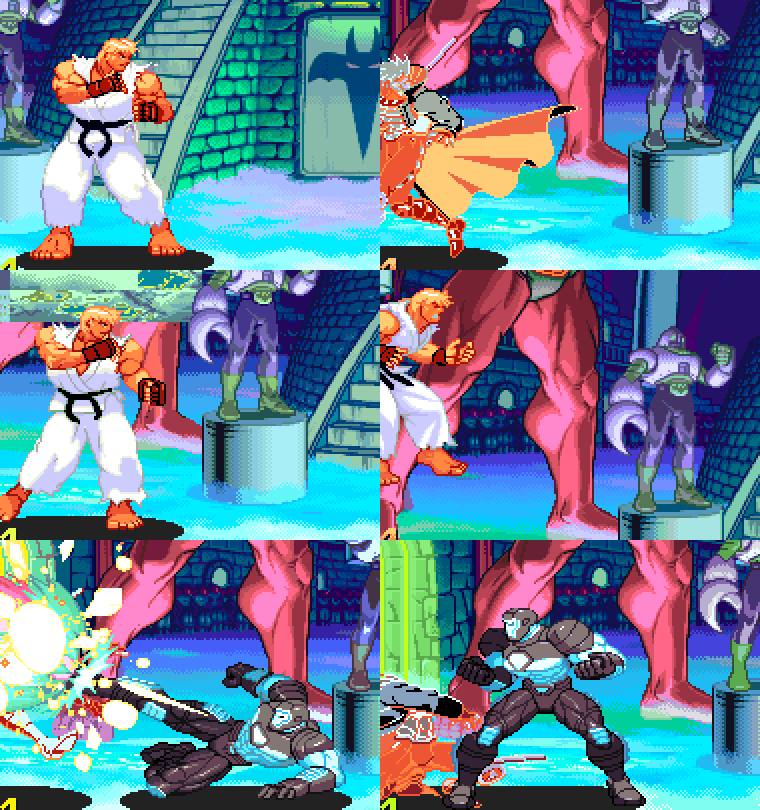
3rd Strike on CPS-2? Ken Exposed the Real Bottleneck.
Ken's sprites run inside Marvel vs. Capcom. The animation tables were the trap: 35 visual routes are now authored, but his Hadouken still throws Gambit's card.
Your AI can sound right and still be wrong.
Bad citations, misleading evaluations, and tools that keep the lab honest.
MCP · built for the arcade lab
Your AI Read the Repo. It Still Missed the Blocker.
Old write-ups made unfinished ports sound ready. I built a read-only MCP server with 21 tools to retrieve the current evidence without granting permission to run or publish.
AI systems · implementation note
The Citation Is Real. The Answer Is Wrong.
A manual's storage limit becomes an operating limit, with a perfect footnote. Why real quotes and valid schemas still aren't proof.
Evaluation · implementation note
Your New AI Model Looks Smarter. It Might Be a Downgrade.
A prettier answer can hide a worse production system. Compare against the model you already run, inspect the failures, and make the judge prove itself too.
Recent writing
The latest experiments and what changed.
· 18 min$37I Put MVC2's Sentinel Into Marvel vs. Capcom 1. It Worked on the First Boot.The biggest character in Marvel vs. Capcom 2 now renders inside stock Marvel vs. Capcom on Hulk's character code, from the first build of the port harness that Hayato proved out. The v0 video, the census, the 2,819-tile margin, why every Dreamcast-only character has been silent until now, and everything still missing: no Sentinel moves, no sound, no download.Sep 15, 2026
· 14 min$35Inside MvC's Mashable Moves: From the ROM Chip to the Extra HitWhich MvC supers are mashable, what to press, and how many hits were demonstrated: character verdicts, baseline comparisons, code limits, reproducible evidence and a CPS-2 chip location map.Sep 13, 2026
· 26 min$34The Partner Hyper Draws Its BackgroundDHC v8 is out. The partner handoff's missing background was a stalled Hyper script waiting for an animation event nobody sent; six bytes send it. Level 4 of the meter turns yellow from a tile the game already had. What was verified, at what tier, and the trailer.Sep 11, 2026
· 8 min$33MvC Had the Digits for Five Super Bars. One Instruction Said Three.The cap is one byte. Four other tables also assume three. A statically verified five-level patch uses Capcom's existing art; a full-match play test is still pending.Sep 4, 2026
· 7 min
One more rabbit hole
Still wondering how that worked?
Start with the native character ports, follow the bot's training failures, or send me the bug you can't leave alone.